Renovations
Should you preseal pool coping before it's laid in Sydney?
To preseal pool coping, each piece is dipped on all six sides in a consolidating sealer before it's laid. Stain-Proof allows 14 days for that sealer to cure before the stone is used.
The steps and timing
- Preparation: clean, dry stone, free of residues
- Dip sealing: each piece dipped on all six sides
- Curing: 14 days before the stone is used
- Laying: a polymer adhesive suited to water-repellent stone
- Resealing the top face: every 2 to 3 years
The timing comes from Stain-Proof's 40SK data sheet, and the resealing interval from Eco Outdoor's guide to stone around pools.
Why preseal pool coping before it's laid
Coping is the stone edge that caps the pool wall. It takes splash water from above and moisture from the mortar bed below. Porous stone such as limestone, sandstone and travertine soaks up that water, along with the salts in it.
Stain-Proof's 40SK sealer protects stone against the problems this causes, including:
- Efflorescence, a white salt deposit on the face
- Salt spalling, where salt crystals flake the surface
- Picture framing, a dark band around each stone's edge
Dipping each piece before it's laid also reaches the underside and back edges, which can't be sealed once the stone is down.
What dip sealing involves
Each piece is lowered into a bath of sealer, so every face takes it in. For sandstone or limestone around a saltwater pool, Stain-Proof specifies a full dip in its 40SK Consolidator and Water Repellent. This penetrating sealer soaks into the stone's pores.
Its 15-year warranty for 40SK around a saltwater pool needs the stone dip sealed before laying, by an accredited applicator. The stone then needs regular care to Stain-Proof's written maintenance system.
How long the sealer needs to cure
Dip-sealed coping needs 14 days to cure before the stone is used. The sealer keeps bonding inside the pores for about 4 weeks, so its water repellency builds over the first month.
An oil-stain sealer, such as Stain-Proof's Premium Impregnating Sealer, can go over the top once the 40SK has cured for at least 2 weeks.
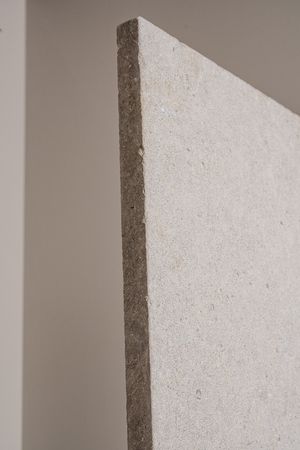
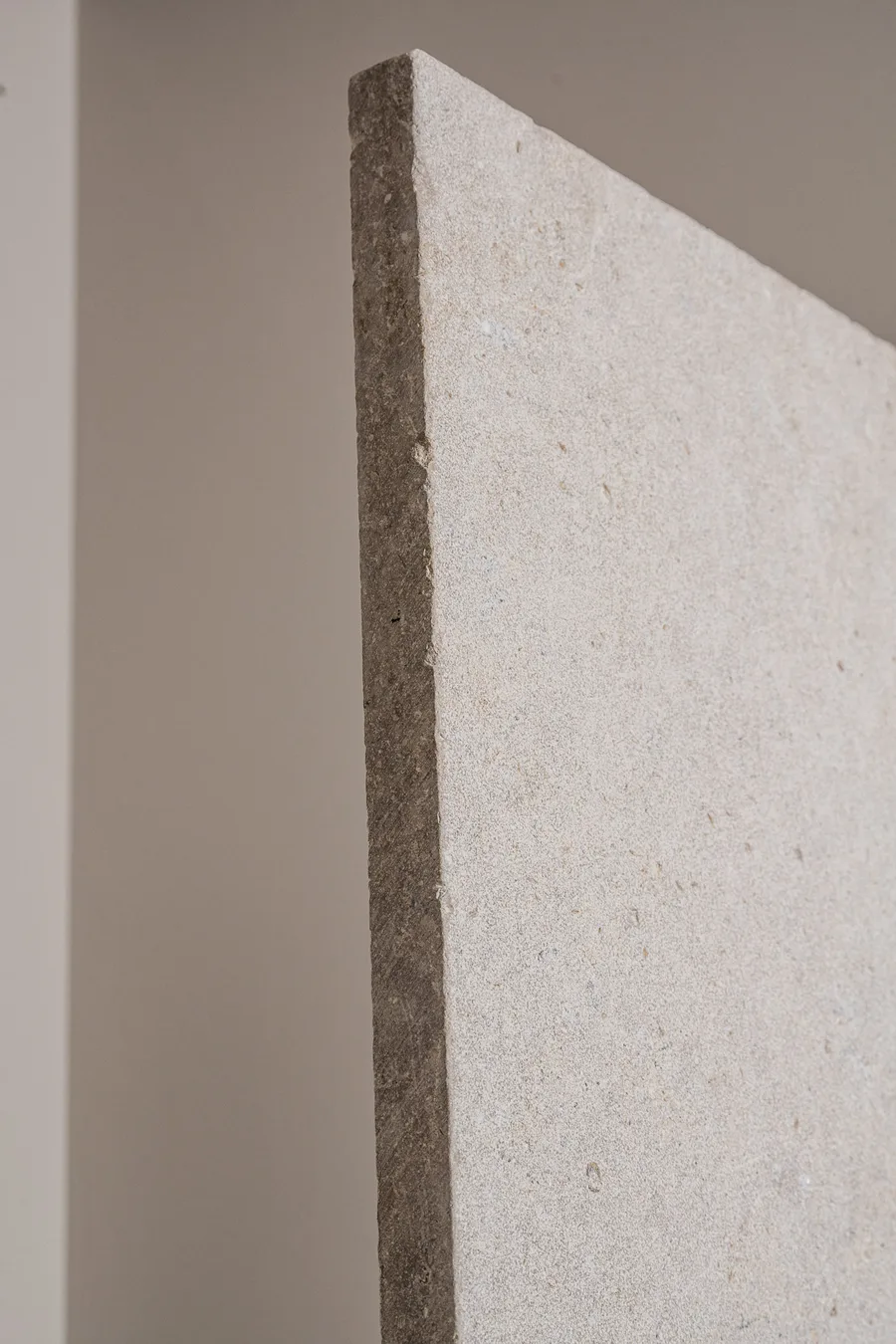
Laying sealed stone
Dip-sealed stone repels water on every face, so a standard water-based adhesive may not grip it. Stain-Proof names a premium polymer thinset, or a special adhesive such as Davco SE-7 mixed with Davelastic, or Bostik Landscape Adhesive.
Excess 40SK left on the face turns into a white glass over days or weeks, which then has to be ground away.
Salts already in old stone can build up under a new treatment and spall the face. New coping laid during a concrete pool renovation starts without that salt load.
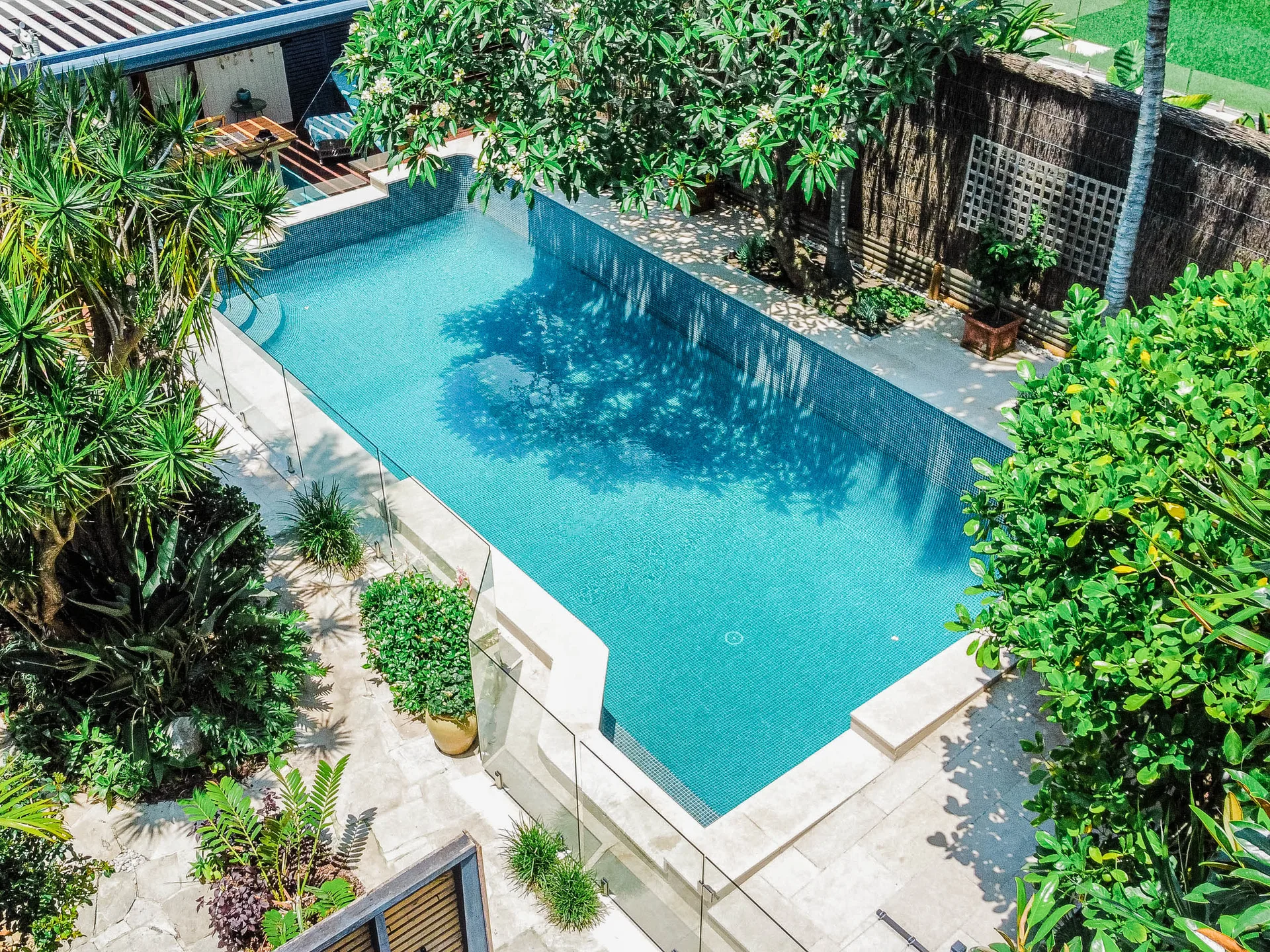
A recent Fairlight renovation
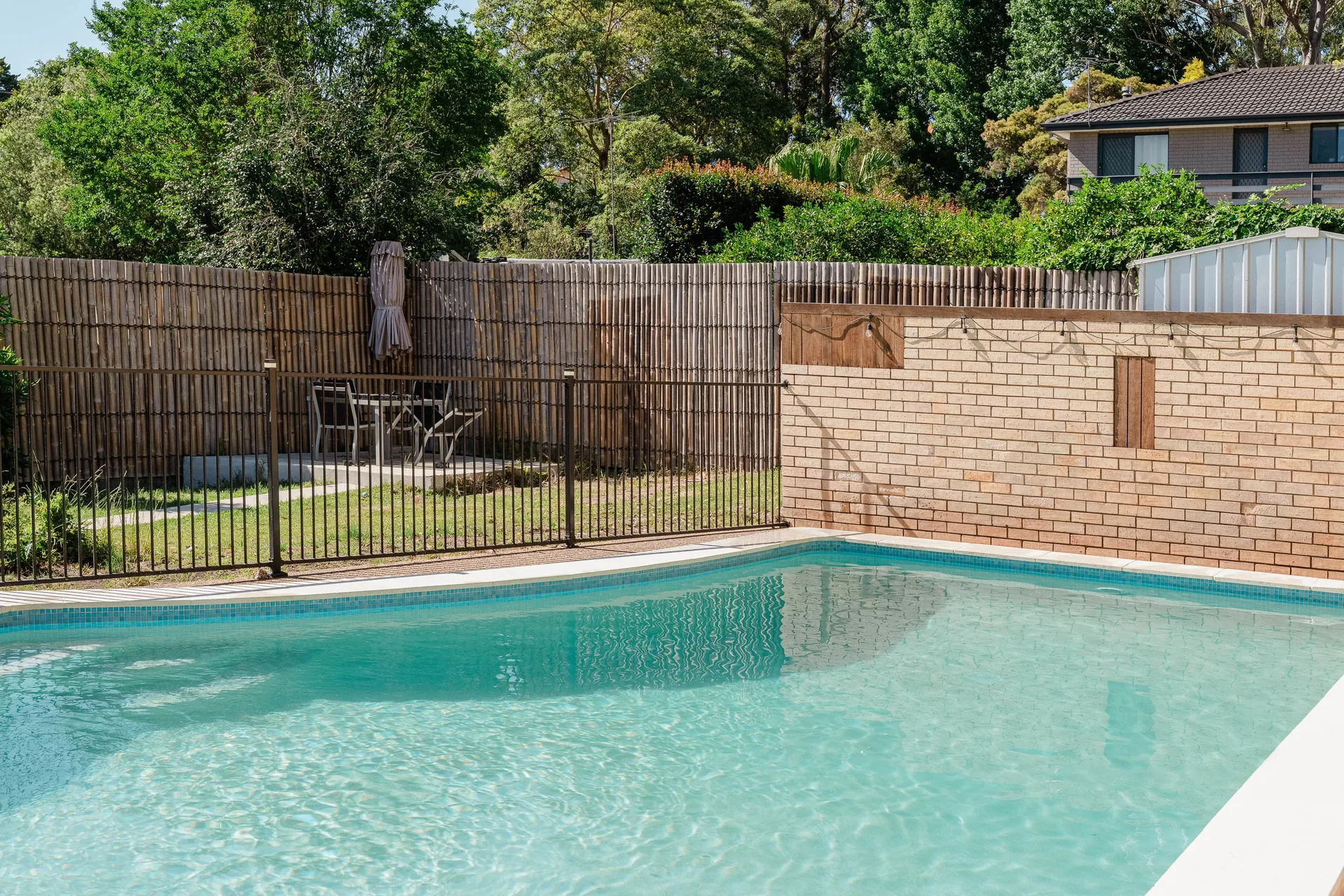
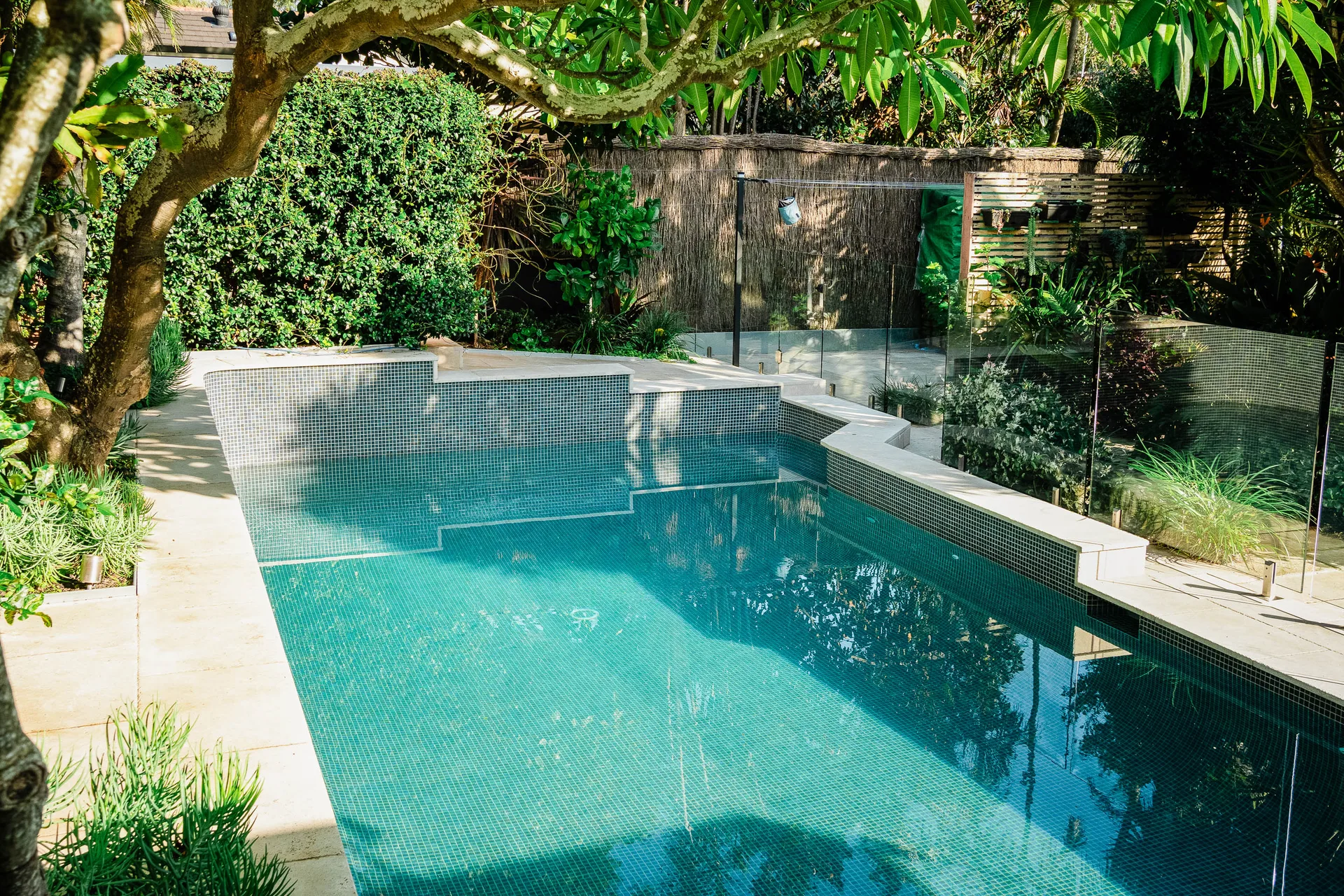
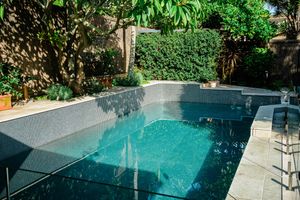
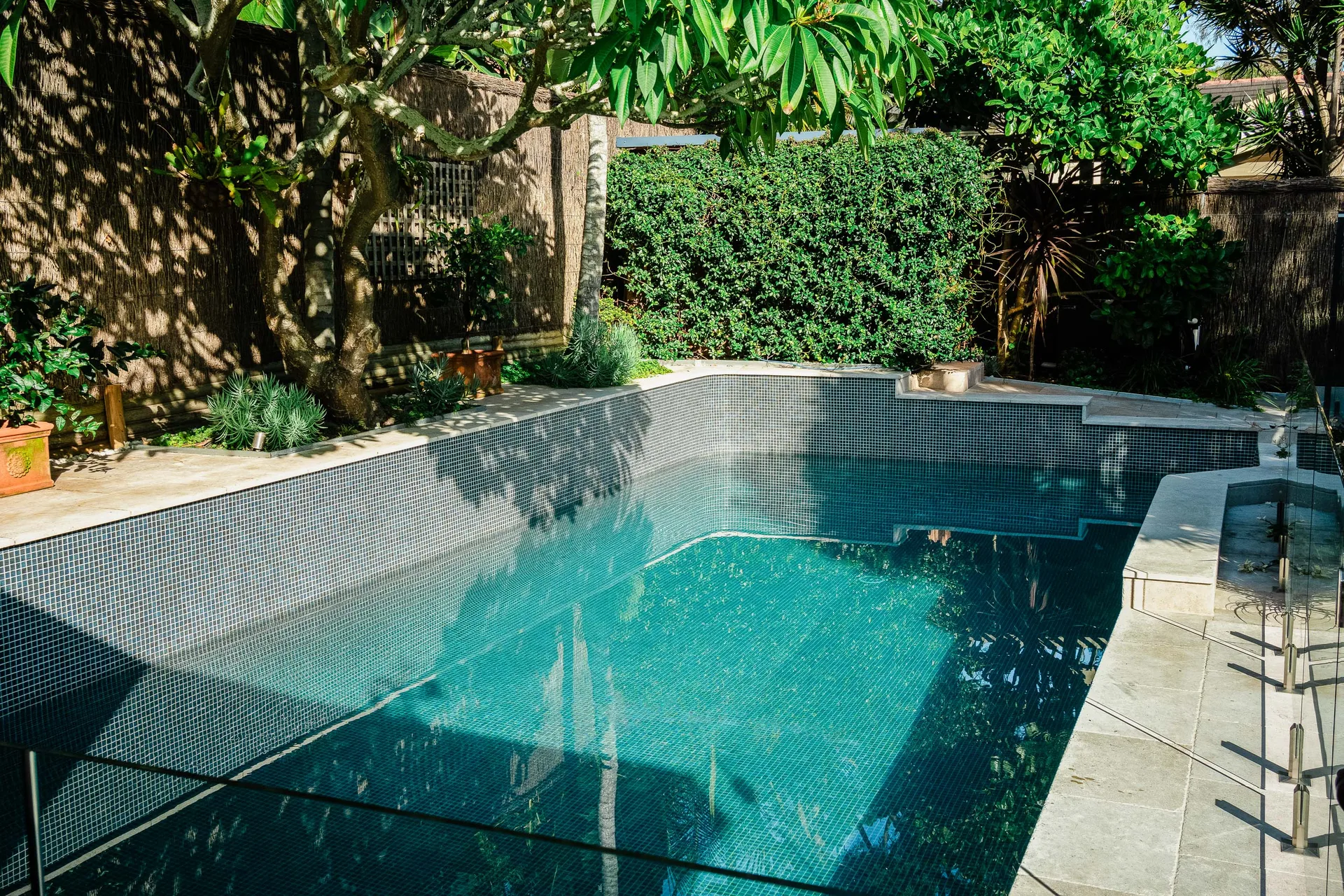
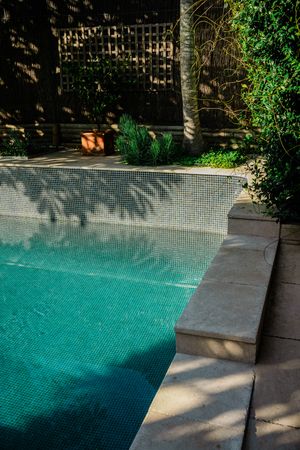
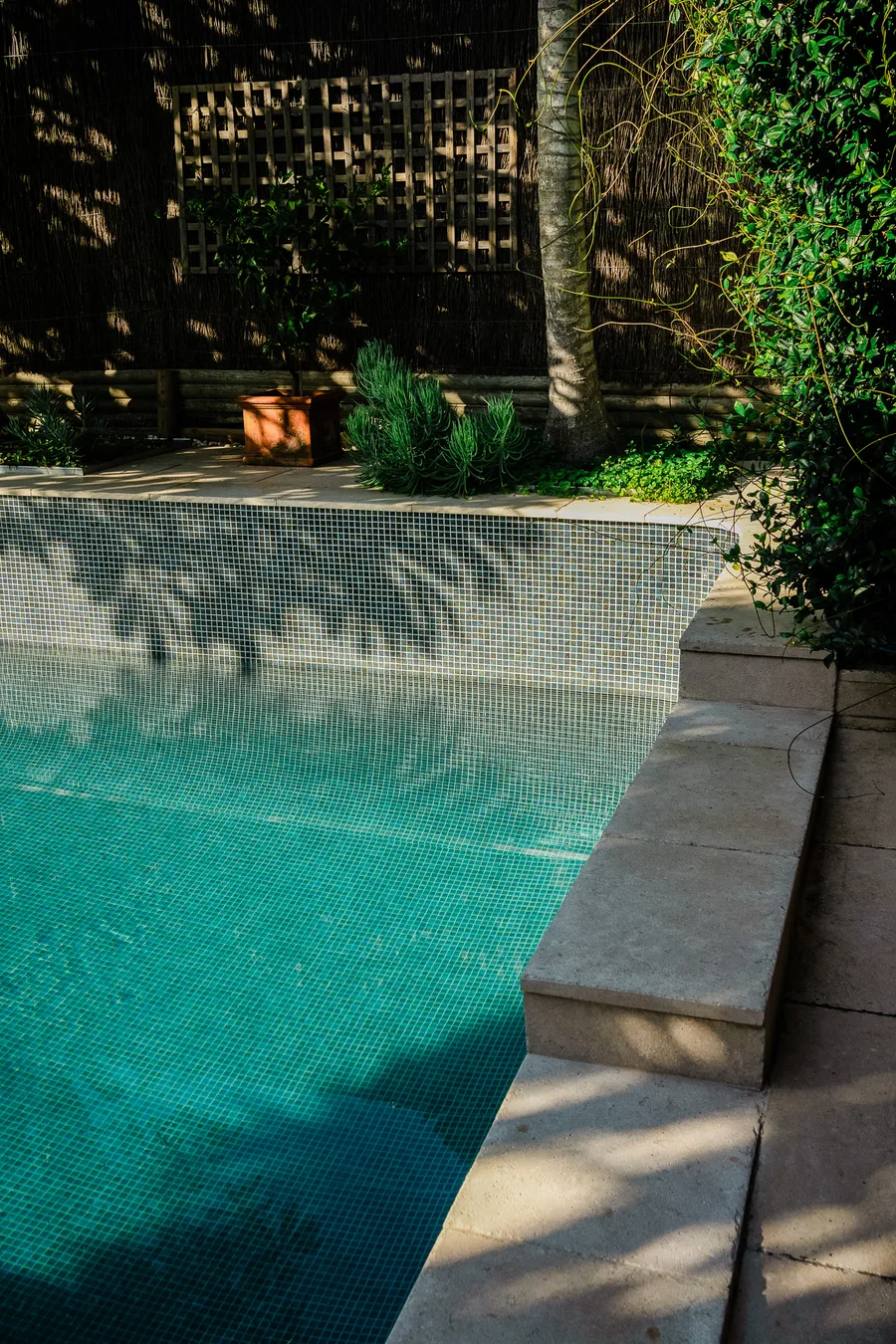
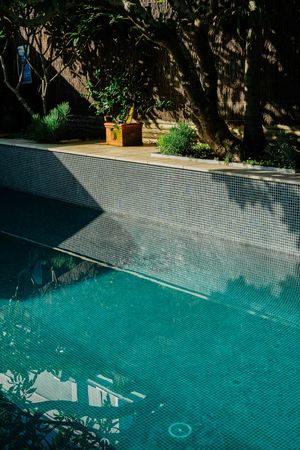
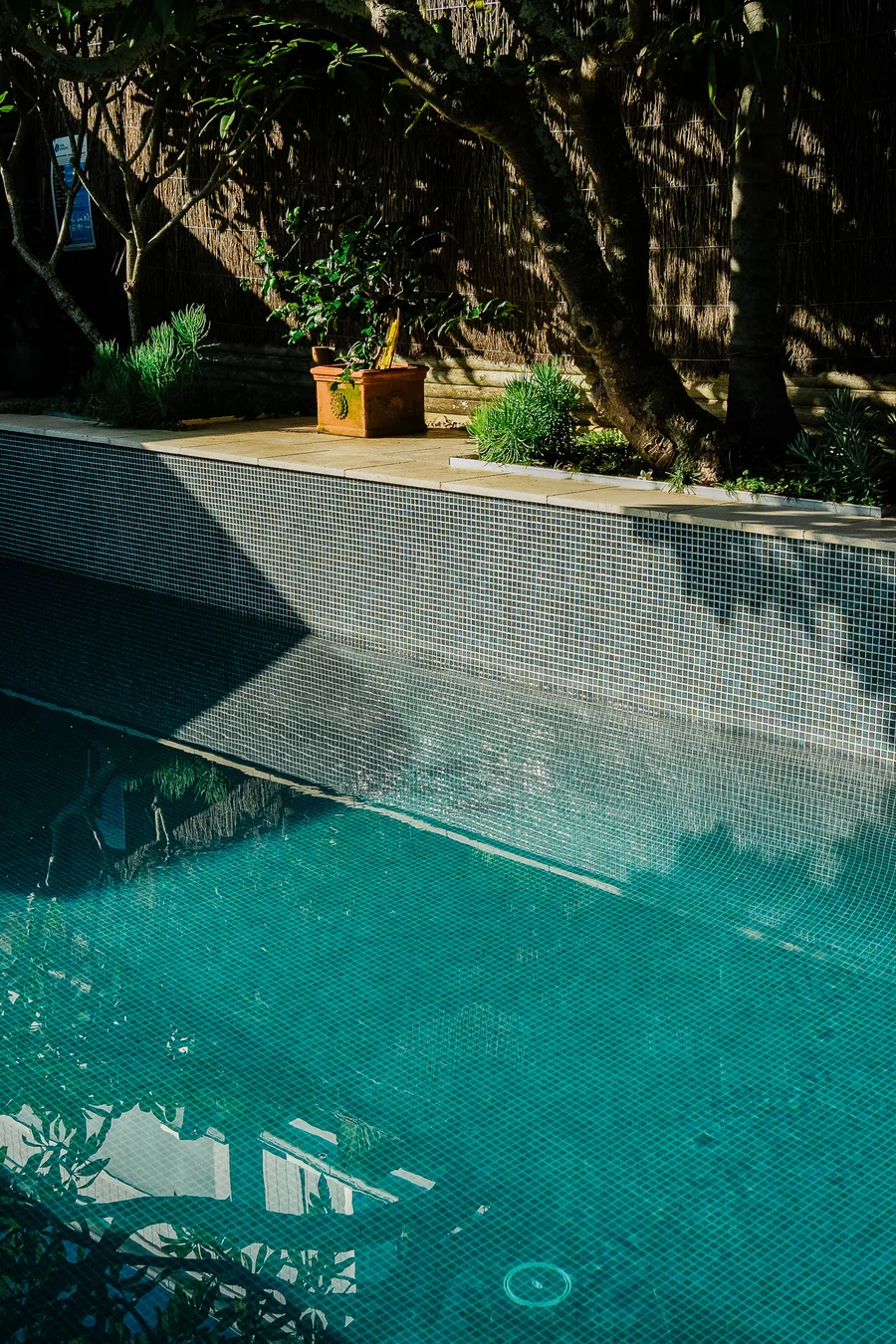
On this Fairlight pool renovation, we laid limestone from the pool edge out to the garden beds and dining terrace.
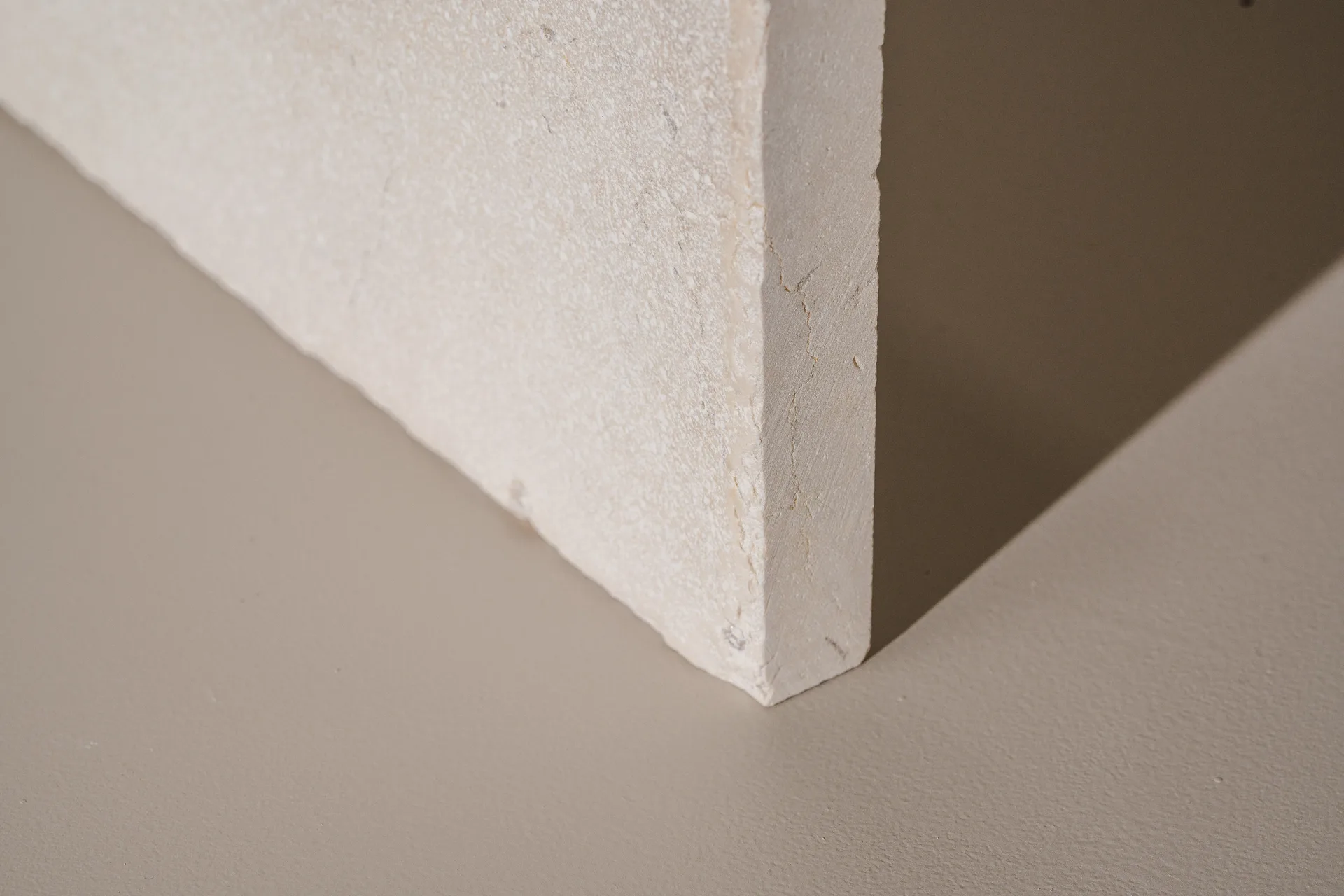
- Coping and surrounds: Valencia Aged Taupe limestone by Barefoot Living
- Pool: 10.5 x 4 m, fully tiled
- Cost: $70,000 to $90,000 over 6 weeks
Limestone coping around a pool is the use Eco Outdoor highly recommends dip sealing for.
Choosing the right pool renovator
Presealing is decided before the stone is ordered. Look for a renovator who:
- Names the sealer and follows the stone supplier's sealing advice
- Allows the 14-day cure in the programme
- Uses an adhesive made for sealed stone
Dip sealing adds about two weeks of lead time. On natural stone coping around a saltwater pool, we think that time is well spent.
Jack Stillman is Director of Your Pool and holds a NSW swimming pool builder's licence. His crews renovate concrete pools and lay new coping across Sydney.
Frequently asked questions
Should pool coping be sealed on all sides?
For coping, yes. Eco Outdoor always advises sealing stone after it's installed. For pool coping, it highly recommends a dip seal on all six sides with a consolidator sealer. A seal applied after laying can only reach the top face and exposed edges, while a dip covers every face.
How often should pool coping be resealed?
Eco Outdoor recommends resealing natural stone around a pool every 2 to 3 years, to limit how much water gets into the stone. It also suggests keeping the water level about 10 cm below the coping, so the stone isn't constantly soaked and dried. Resealing covers the top face, the only part still reachable once laid.
Will a sealer change the look of the stone?
It can. Stain-Proof's data sheet says 40SK may lighten or darken some surfaces, and that it won't prevent etching, scuff marks or wear. It recommends testing a small area first and allowing 24 hours to see the result. A spare piece of your coping is worth testing before the whole order is dipped.